

 Shopify blog




What do a vegan butcher, a book publisher, and a tampon designer have in common? They’re all entrepreneurs dedicating their lives to causes close to their hearts. Meet the women of social change.

Roz Campbell
While at university, Roz learned that girls in Uganda and Sierra Leone were missing school for a week every month—because of their periods. Without access to proper hygiene products, they were forced to stay home. Roz set out to create a better period product, and, in turn, used it as a vehicle for change. Her company, Tsuno, is committed to making tampons and pads accessible to women everywhere. She donates products and profits from sales to organizations like One Girl, a nonprofit that sends girls to school.

Gauri Manglik and Sadaf Siddique
Sadaf and Gauri were raising their children in America, where they were taught in American schools, immersed in American culture. Books were supposed to provide an opportunity to keep their South Asian culture alive for the next generation, but the moms struggled to find titles that told their own stories. When publishers told them, “There’s no market for multicultural books,” they responded by launching Kitaabworld, an online bookshop that brings South Asian voices and stories to homes, libraries, and classrooms.

Sarah Lin
Sarah was a former design director in search of a more purposeful career when she began reminiscing about her most cherished childhood item: her baby blanket. Inspired by the time she and her husband had volunteered in India, she launched baby blanket brand Ellie Fun Day. Her nonprofit, Handcrafted for Life, employs marginalized women in India and the U.S. to make the brand’s products, empowering them through dignified employment, education, and a fair wage.
Aubry Walch
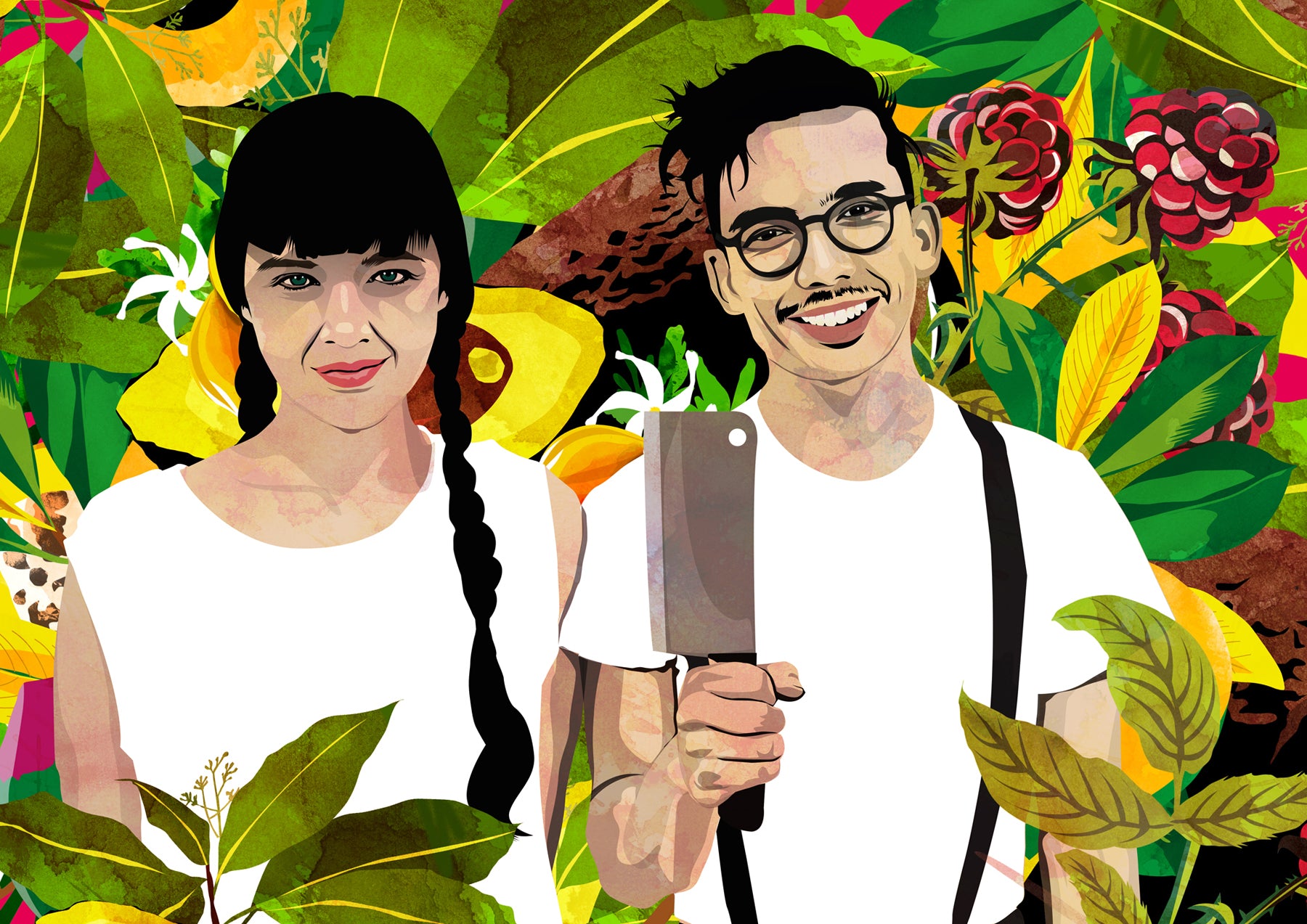
Aubry was 14 when she ate meat for the last time. Her lifestyle choice would, years later, become the foundation for her successful family business, The Herbivorous Butcher—a “butcher shop” that doesn’t sell any meat. Aubry and her brother Kale create plant-based alternatives to wings, cold cuts, and cheeses, selling them to a local Minneapolis community of vegans and omnivores alike. The siblings also ship their meatless meats across the U.S. and more recently expanded to a food truck.

Natalie Parra
The idea for Keiko Conservation was born when Natalie was diving in Hawaii and spotted a helpless sea turtle caught on a fisherman’s hook. She was an animal lover and knew she had to do something. Founded by Natalie and her friend Siena Schaar, Keiko Conservation’s mission is to use social media to call out inhumane practices and petition governments and businesses to do more for ocean life. Through events and campaigns, the organization’s volunteer network “gives a voice to the voiceless.”
Rebecca Sandberg
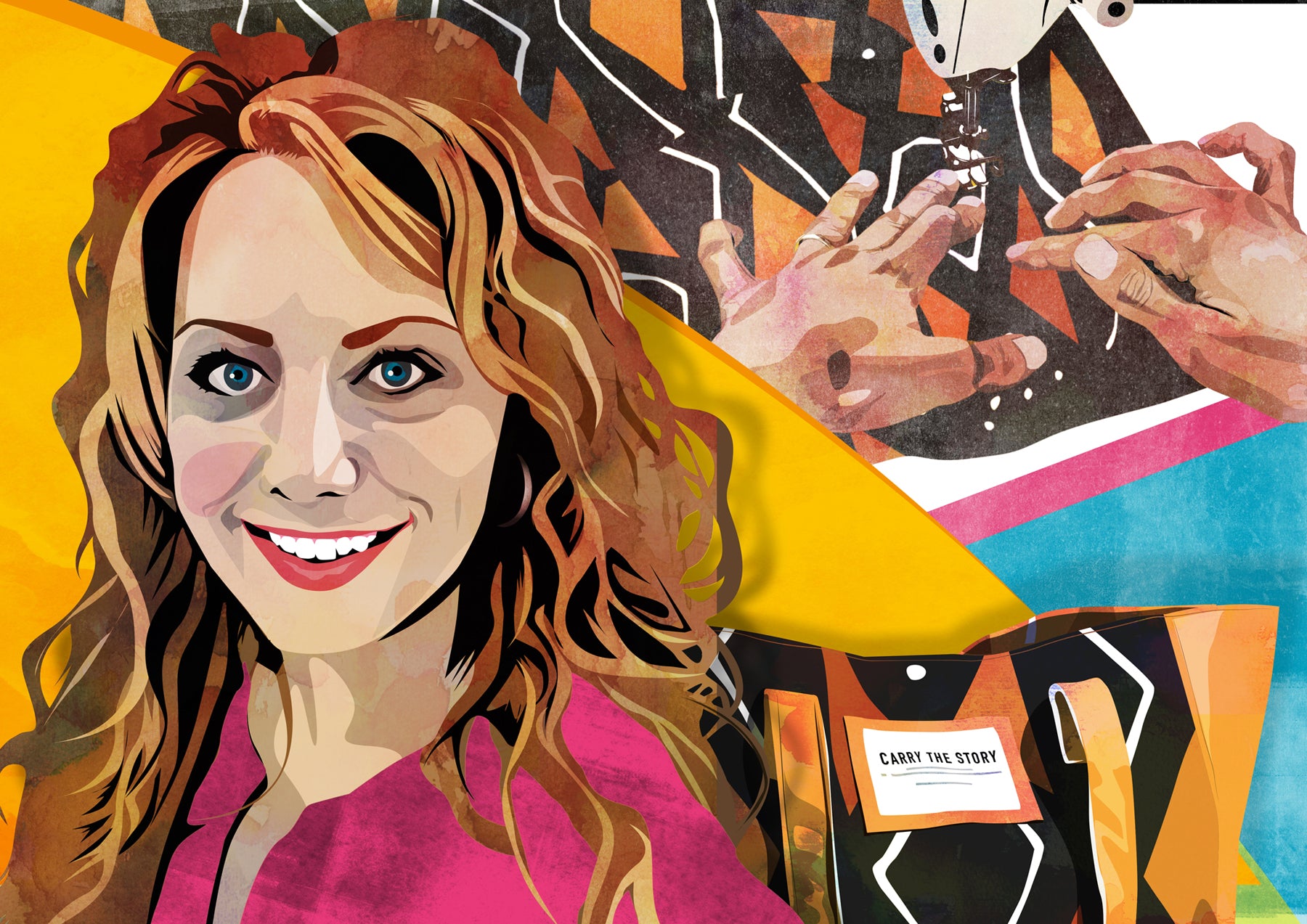
Rebecca was 25 years old and a new mother when her life was uprooted. She followed her husband’s work to Nairobi and struggled to find her identity in her new surroundings. That’s when she met a group of refugees. She was inspired by the stories they told while making handcrafted goods to support their families. Back in the U.S., Rebecca founded The Re:New Project in honor of her time in Africa. The organization helps refugee women in the U.S. learn skills and gain meaningful employment and is funded by donations and sales of goods made by the women.
Veronika Scott
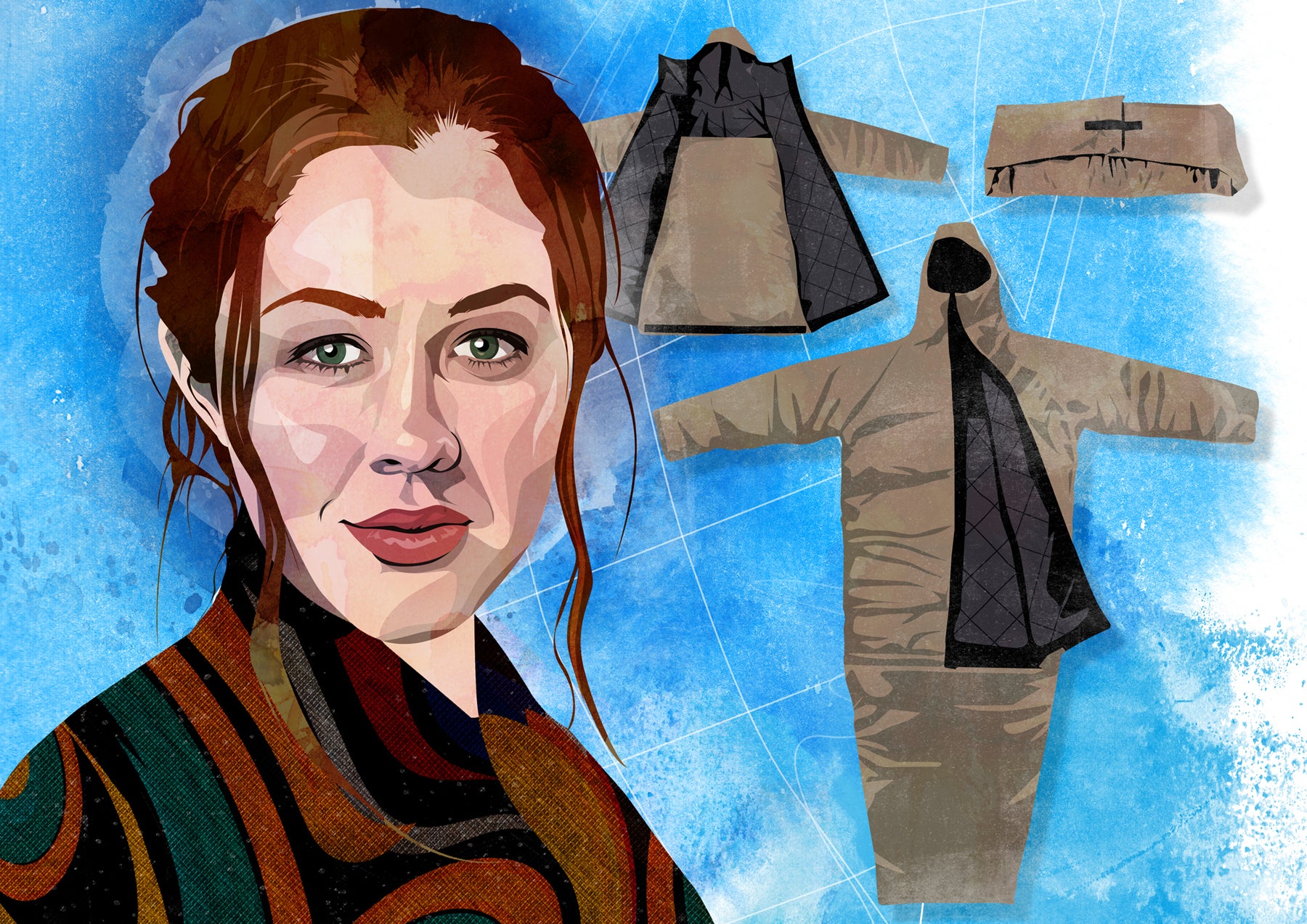
A college class inspired Veronika to design a product that would address a need in her community. She began spending time with Detroiters who were homeless, researching ways to improve their lives. The result was her design for the EMPWR coat—a versatile piece of clothing that transforms into a sleeping bag or shoulder bag. But to really make an impact on the community, a simple coat design evolved into a nonprofit organization that provides employment, helping families break the cycle of homelessness. The Empowerment Plan hires single parents from shelters, training them to make coats, and has helped 70 of them find permanent housing so far.
Feature image by Alvaro Tapia Hidalgo
Additional reporting by Renee Morad and Anne-Marie Vettorel
Reference photo of Natalie Parra by Chiara Salomoni
Read more
- A Uniquely Creative Collective from Toronto—and Nowhere Else
- Refurbishing the Rust Belt- Founder Stories from Detroit
- Selling Sunshine- How a Former Mortgage Professional Became TikTok’s Plant Mom
- Suds to Stardom- How the Founder of Royalty Soaps Went Viral on YouTube
- Shop Shopify- 68 Holiday Gift Ideas for Everyone on Your List
- Overdraft- This Dessert Founder Doesn’t Sugar-Coat Her Start-up Story
- These Brothers Run a Business—Between Football Practice and Playing with Lego
- Women Entrepreneurs We Love — Founder Stories
Social Entrepreneurship FAQ
What is social entrepreneurship?
Social entrepreneurship is an approach in which individuals, groups, or startups develop, fund, and implement solutions to social, cultural, or environmental problems. Unlike traditional entrepreneurs who track success mainly through profit and revenue, social entrepreneurs measure impact through improved access, equity, or quality of life, whether they run a nonprofit or a for-profit venture. More than 10 million social enterprises now operate worldwide, generating an estimated $2 trillion in revenue each year.
How does social entrepreneurship differ from a nonprofit?
Nonprofits and social enterprises both aim to create positive change, but they operate differently as business entities. Nonprofits rely on donations, grants, and fundraising, reinvesting revenue into programs rather than generating profit, and they focus on service or advocacy without a commercial model. Social enterprises, by contrast, blend profit with purpose, using sales of products or services to fund their mission directly.
Can a social enterprise make a profit while pursuing its mission?
Yes, social enterprises can generate profit while pursuing their mission, since many build a business model that puts impact at the center rather than treating profit and purpose as opposites. Revenue from sales often funds the cause directly, whether through a percentage of profits, a give-one-get-one model, or reinvestment into community programs. This lets a venture sustain itself without relying only on grants or donations.
How do I start a social entrepreneurship venture?
Starting a social enterprise begins with pinpointing a specific social or environmental problem and researching its root causes, affected groups, and existing solutions before building a business around a fix. From there, founders typically draft a business plan outlining their mission and target audience, assemble a team with complementary skills, and pursue funding through grants, crowdfunding, or impact investors.
What qualities help social entrepreneurs succeed?
Successful social entrepreneurs stay driven by values such as dignity, access to opportunity, transparency, accountability, equity, and empowerment, keeping their mission at the center of every decision. They also treat the work as an ongoing learning process, testing ideas, gathering feedback from the communities they serve, and adjusting their approach as they scale their impact.
How is social entrepreneurship typically funded?
Social entrepreneurship ventures typically draw funding from a mix of grants, crowdfunding, impact investors, and revenue earned directly from selling products or services. Online platforms and social media also help ventures find backers and collaborators outside their immediate geography, letting founders raise funds and build awareness for their cause at the same time.


