What's the most valuable asset that your retail business has? Inventory, store space, and people are common answers. But with so many competitors vying for your target customers' attention and selling comparable products, it's customer data that holds the most value.
A customer data capture solution is a platform that helps retailers collect, store, and use information they've gathered on their shoppers — and it's become a cornerstone of modern retail strategy. According to the EY POS Market Report (November 2024), retailers see an 8.9% lift in revenue from omnichannel selling enabled by unified customer data. Customer data gives you the opportunity to personalize your marketing campaigns and make smarter inventory decisions that ultimately increase sales.
The challenge is: collecting customer data isn't straightforward. Some shoppers are hesitant to share their personal information with brands; other retailers don't have a standardized process for how they capture information. This inconsistent data can result in incorrectly personalized omnichannel marketing campaigns that have the opposite effect on revenue.
This guide shares what a customer data capture solution is and why your store needs one, with examples and use cases for this type of retail technology.
What is a customer data capture solution?
A customer data capture solution is a platform that helps retailers collect, store, and use information they've collected on their shoppers. It pulls data from multiple sources—including your online store, retail point of sale system (POS), marketing automation tools, and loyalty programs—to offer a single customer view for each shopper.
Benefits of using customer data capture solutions
Customer data capture solutions are an integral part of the modern retailer's tech stack because they offer the following advantages:
- Enhanced customer segmentation. When you have a central repository for every piece of data you've collected on customers, it becomes easier to divide them into segments based on qualities they share.
- Personalized marketing. Use segments for retail personalization—whether that's tailored product recommendations, discounts, or loyalty rewards that are specific to each customer segment.
- Improved efficiency. Instead of taking a blanket approach to in-store customer service, retailers can retrieve a customer's unified profile to offer personalized recommendations based on their purchase history, loyalty points, or product returns, all while reducing manual data entry. According to the EY POS Market Report (November 2024), omnichannel selling enabled by unified data delivers an 8.9% lift in revenue.
Examples of customer data capture solutions
Customer data platforms (CDP)
Customer data platforms (CDPs) unify every piece of information you've collected on a customer. Powered by integrations between different systems, real-time synchronization into the CDP gives you an up-to-date view of each individual shopper.
If you're using Shopify to run your business, you already have a CDP built in. The unified commerce platform creates a unique customer profile each time someone shares their phone number or email address with your business. Any supplementary data—whether collected through a native Shopify feature (e.g., Shopify Messaging) or integrated app (e.g., Smile for loyalty points)—feeds back to this 360-degree customer view.
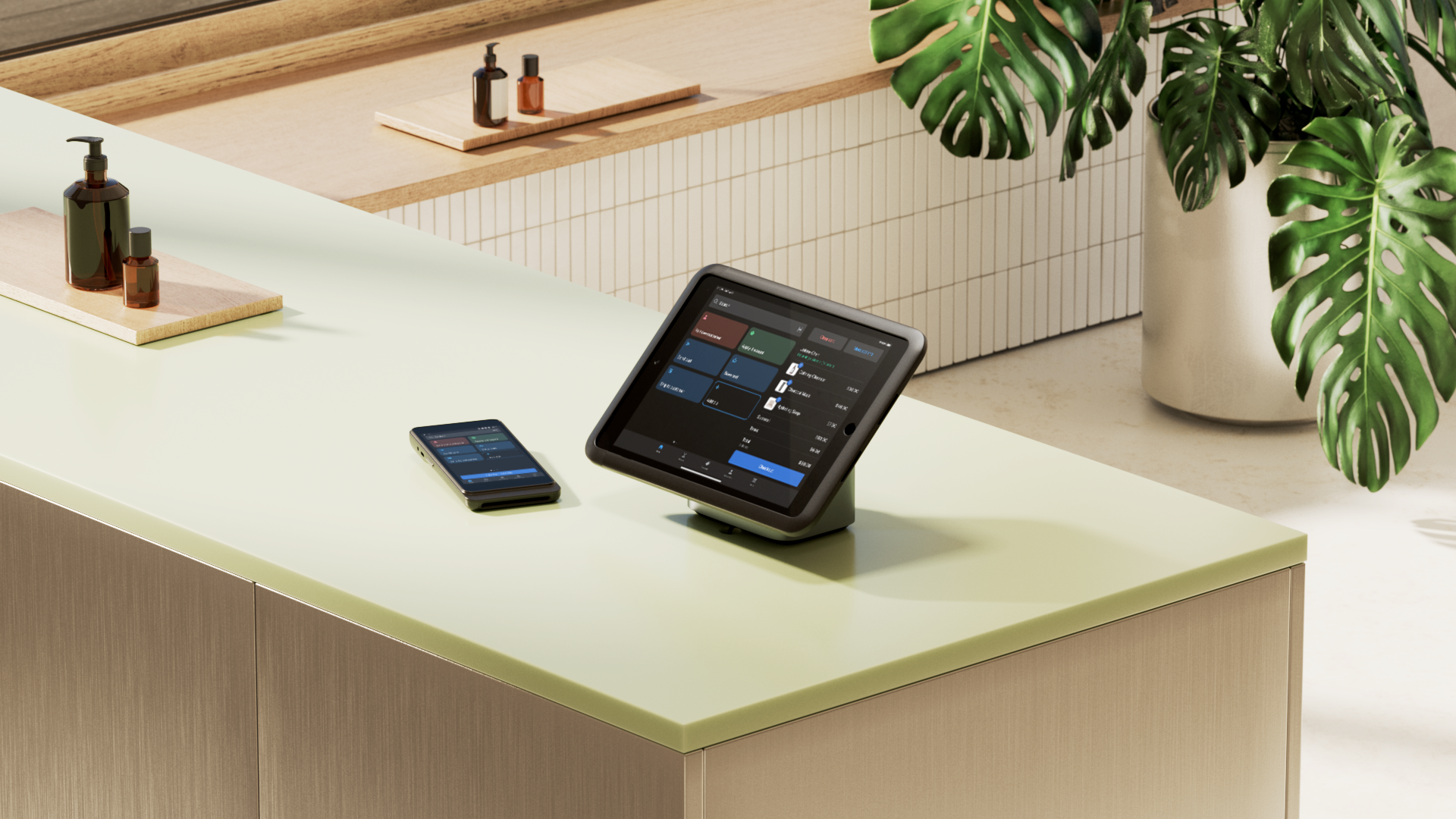
Diane von Fursternberg is just one retailer using data from Shopify's CDP to personalize the retail experience. In-store associates, known as personal shoppers, can pull up a shopper's profile from their POS device to adjust the retail experience based on first-party customer data they've already collected.
"One of our favorite Shopify POS features is adding notes to a customer's profile to store information like their favorite colors, ideal size, or a product they're excited about from our new collection," says assistant store manager Joanna Puccio. "Those qualitative insights really help us really make them feel like we're their personal stylist the next time they shop with us."
Web forms and quizzes
Website forms are one of the oldest methods for collecting customer data. They standardize the data collection process by asking a series of questions, with answers collected in a preformatted field (e.g, long text or number rating).
Modern forms, however, are more than lengthy questionnaires designed with the sole purpose of extracting customer data for nothing in return. Almost half of global consumers say they're willing to share personal information in exchange for a better experience. As a result, retailers have innovated on the traditional form with quizzes and interactive surveys that gather customer data in exchange for personalized product recommendations.
Jones Road Beauty, for example, runs a "Find My Shade" quiz that asks a customer to share their skin concerns, skin tone, and product use cases in return for a personalized product recommendation. Quiz-building tool OctaneAI says this quiz has helped the beauty brand increase its average order value from $60 to $90 with a conversion rate of 16%.
CRM systems
A customer relationship management (CRM) system keeps track of any interactions between customers and your support teams. Popular examples include Endear, Gorgias, and Salesforce—all of these integrate with Shopify.
The downside to relying solely on CRMs for customer data capture is that the results may be skewed. Most shoppers only reach out to support when they need help or are unhappy with a product—not to share their positive experience using it. It's why CRMs are best integrated into another CDP if you're seeking a full picture view of your customers.
Email marketing tools
Email marketing is one of the most valuable retail marketing strategies because it lets you arrive in a place not many other brands can: a customer's inbox.
Plus, because retail email marketing is an owned channel, you can collect a wealth of first-party data on your audience, including forms they subscribe through, emails they open, links they click, and offers they redeem.
To make email marketing a sustainable source of customer data collection, you'll need subscribers to opt in. Shopify has a range of tools to gather consent:
- Shopify Forms: Add pop-ups to your ecommerce website to gather customer data, such as their email address or phone number. Offer an incentive in exchange for this information, like 10% off their first order or an exclusive product that's only available to subscribers.
- Digital receipts: Swap out paper receipts in favor of digital ones sent at checkout. Customers need to share their phone number or email address to receive proof of purchase digitally.
- Email capture in POS: This feature connects a customer's payment details with a Shop Pay account to surface their email address and phone number at checkout. If they do have a Shop Pay account, they can receive their receipt through the Shop app. If they don't, they can opt in to receive marketing communications with a single tap.
Cosmetics brand Sculpted by Aimee leans on email capture to gather customer data for future personalization in its retail stores. "Every store has seen massive improvements and is smashing their data capture goals every single week thanks to Shopify POS," says head of ecommerce Kevin Clarke. They report a 275% increase in email capture across all retail stores after implementing the Shopify POS feature.

Website tracking tools
Website tracking tools use JavaScript code, known as cookies, to track activity happening on your online store. Shopify, for example, has a pixels manager that tracks when website visitors make certain actions on-site, such as clicking a link or adding a product to their online cart.
Although website tracking tools are great sources of customer data, they're becoming increasingly difficult to use. Data privacy laws stipulate that you must get cookie consent beforehand. Yet online shoppers are notorious for saying no: around two-thirds of them turn off cookies or website tracking to protect their privacy online.
That's not to say they're completely redundant. You can shed light on who's visiting your website and the actions they take through cookie-based website tracking tools. Still, you'll likely need to supplement this customer data capture method with another solution for a more complete picture.
Chatbots
Every time someone reaches out to your brand is an opportunity to capture customer data. Chatbots facilitate those discussions when they take place virtually. Ask for their email address or phone number to create a customer profile, then store any details from the conversation, like their ideal shipping timeline or product you've recommended.
Shopify Inbox, for example, can add a live chat widget to your ecommerce website. It can collect customer information at the start of the chat and then merge it with a unified customer profile to provide a 360-degree customer view.
💡Tip: Configure instant answers using Shopify Magic for frequently asked questions. This can ease the burden on your team's support tickets while also providing customers with an immediate response to their live chat requests.

Customer feedback surveys
Surveys are one of the oldest—yet most reliable—ways to capture customer information. You can reverse engineer your forms to gather the exact type of data you want, rather than collating any scrap of information a customer is willing to share at any given time.
Customer feedback surveys can shed light on:
- What motivates shoppers to buy
- Which channels they prefer to buy through (and why)
- Why customers initiate refunds
Aside from simply collecting customer feedback, surveys can pinpoint friction in the retail customer journey—and give you an opportunity to rectify it.
Backyard Butchers, for example, uses Shopify to capture this type of customer data throughout every integrated sales channel. "When customers provide feedback, we can immediately make it right," says head of marketing Tyler Medina. "We're seeing a greater increase in positive activity and turning any negative situations around quickly. Ultimately, making customers happy along the way because we know who they are."
How to choose a customer data capture solution
Not all solutions are created equal. Here's a cheatsheet to find the right data capture technology for your business:
| Evaluation criterion | What to look for | Why it matters |
|---|---|---|
| Use cases | Ability to surface insights at the point of need (e.g., in-store POS, email, online) | Ensures the data you collect is actionable where your team actually works |
| Integrations | Native connections to ecommerce, POS, email, CRM, and loyalty platforms without middleware gaps | Patchy integrations inflate costs and introduce data accuracy issues |
| Scalability | No hard caps on data storage; transparent pricing for adding new capture channels | Data volume grows with your business — limitations become costly bottlenecks |
| Security & compliance | Compliance with applicable data privacy regulations across all systems and data connectors | Around 75% of the global population has personal data protected under privacy laws (Statista) |

Why Shopify works as a customer data capture solution
Implementing a new customer data capture tool is no small feat. From confirming integration to ensuring regulatory compliance at every step of the data processing journey, Shopify simplifies the entire process.
Every merchant who runs their business on Shopify has a customer data processing platform by default. It creates a unique customer profile each time someone shares their data with you, and feeds back supplementary information—be that loyalty points they've earned, emails they've opened, or discounts they've redeemed both in-store and online—back to this profile for a complete view of every shopper.
This solidified structured data is the foundation for every aspect of your retail business. Whether it's understanding your customers to adjust your product assortment or delivering personalized marketing campaigns, data is the most valuable asset you have. Shopify lets you collect it—then put it to work.
Read more
- 7 Effective Discount Pricing Strategies to Increase Sales (2025)
- How to Master Cross-Device Ad Targeting
- What Is A Flash Sale? How to Run One and Examples (2025)
- Black Friday Customer Segmentation: 13 Strategies & Examples (2025)
- How to Deliver DTC-Style Experiences Your B2B Buyers Crave
- Why Manufacturers Should Invest in B2B Ecommerce Today
- Black Friday Ecommerce: 20 Ideas, Tips and Strategies to Increase Holiday Sales in 2025
- 16 B2B Ecommerce Examples and What You Can Learn From Them
- How to Implement Personalization Strategies to Drive Ecommerce Success
- Mastering Agile Architecture: Strategies for Successful Implementation
FAQ on customer data capture solutions
How do you capture customer data?
Common tools to capture customer data include email receipts, chatbots, website forms, quizzes and surveys, customer feedback tools, website tracking pixels, and email capture at POS checkout. Using a unified platform like Shopify consolidates data from all these sources into a single customer profile automatically.
What is a customer data capture solution?
A customer data capture solution is a platform that helps retailers collect, store, and use information gathered on their shoppers. It pulls data from multiple sources — including an online store, point of sale system, email marketing tools, and loyalty programs — to create a single, unified customer view.
What are the three methods of data capture?
The three primary data capture methods are: manual data capture, where businesses collect information by hand; automated data capture, where systems collect and organize data without human input; and intelligent data capture, which uses AI and machine learning to identify, extract, and structure data at scale.
How do you extract and use customer data effectively?
Effective customer data extraction combines multiple methods — including feedback surveys, website analytics, email marketing engagement, loyalty program data, and customer support records — and feeds them into a central customer data platform (CDP). From there, retailers can segment customers, personalize marketing, and improve in-store service based on a complete shopper profile.