






For sellers, learning how to make merch is a key step in turning fans into brand ambassadors while adding an additional revenue stream. For these reasons, the merch industry is forecast to grow at an annual rate of 4.5% over the next decade.
Merchandise is everywhere, from the classic fan shirts sold at concerts to the cute tote bags designed by your local coffee shop.
Why do people love merch so much? Likely because it’s about more than just having stuff. Merchandise allows us to show off who we are and what we believe in, and gives us a way to connect with a brand or creator on a personal level.
Find out how to make and sell merch that resonates with your fans’ desires—featuring expert insights from Zack Honarvar, co-founder of Fan of a Fan, which has produced merch for creators including Channel 5 News and Friday Beers.
Why do we buy merch?
Merch connects fans to a brand and the community that forms around it. When we wear merch or show it off in our homes, we create opportunities to:
- Express our values, beliefs, and passions.
- Forge connections with other fans.
- Build brand awareness.
- Show support (emotionally and financially) for creators and businesses.
- Embody the ethos or spirit of a brand.
Take fans of Yes Theory, for example, a brand that champions personal growth. Their followers have worn the brand’s merch during significant life moments—like under suits at job interviews or during the birth of a child—because they feel it symbolizes optimism and personal development.
Zack Honarvar, co-founder of Fan of a Fan, who collaborated with Yes Theory, remembers how the brand’s merch helped two fans bond while stranded at the airport after a canceled flight.
“They saw someone at the gate wearing a Seek Discomfort hoodie … the two strangers ended up becoming good friends, strictly over the fact that they were mutual fans of the channel,” says Zack.
While hardcore fans might be willing to buy anything with your logo on it, Zack believes the best merch does more than increase your cash flow. Whether it’s merch for your TikTok followers or your Twitch community, well-thought-out branded merchandise holds incredible potential.

How to design merch
The concept of merchandising is flexible—it can be a source of sustained revenue from an online store, a limited edition collaboration with another brand, or free swag offered to loyal customers.
When designing your merch, pay close attention to typography and color to ensure your message is legible and on-brand. One key decision you’ll face is whether to create products under your existing brand, or as a separate sub-brand.
Designing merch for your existing brand
For many creators, such as a band on tour, it makes sense to promote themselves through merchandise directly referencing their name, logo, and brand concept.
Take Atticus the poet, for example. Using his established name, he set up an online store where fans can access his books, t-shirts, hats, jewelry, and other products, all housed under his existing brand.
Atticus leverages merch sales by offering his products directly on Facebook and Instagram through his Shopify store.
Selling merch under a sub-brand
For creators without a strong brand identity, or businesses aiming for sustained monetization from merch, launching under a sub-brand can be a strategic choice.
This was the route taken by Zack and Yes Theory with the sub-brand Seek Discomfort.
“The advantage of this approach is that it can grow an audience beyond your existing customer base,” Zack notes. A sub-brand can also open up opportunities for partnerships and co-branding.
Through its sub-brand, Yes Theory engaged in collaborations with major brands like Bose, Lululemon, and Timbuk2 backpacks. Zack believes these opportunities might have been missed if the products were marketed as “Yes Theory merch.”
A sub-brand typically shares visual elements with its parent brand, such as a color scheme, messaging, or imagery, but will distinguish itself with a unique logo and its own range of products and services.
Occasionally, a sub-brand might evolve from a particular detail, campaign, or fan-favorite aspect of a parent brand. For example, a movie might have a minor character fans love, leading to a sub-brand specifically focused on that character’s traits and backstory.

Custom merch ideas
Whatever branding approach you take, creating great merch ultimately comes down to following your instincts about your brand and your fans.
“Develop a product you’re proud of, something you’d personally use or wear,” says Zack.
Take inspiration from these popular merch items from top sellers.
Apparel
Apparel like tees, sweatshirts, and hats make for perennially popular merch. To create standout apparel, prioritize high-quality and eco-friendly materials and fits, invest in premium print techniques, and design compelling graphics people will love, even if they aren’t familiar with your brand.
For example, Netflix created Stranger Things merch inspired by a fictional restaurant featured in the show.

This form of sub-branding can delight fans while also allowing merch to stand on its own. Designing your merch around a subtle detail, reference, or inside joke creates a special connection for fans.
Accessories
Small items can make a big impact. Everyday essentials like phone cases, bags, pins, stickers, and jewelry not only look great but are also practical, letting fans express their affinity for your brand no matter where they are.
Taylor Swift’s merchandise lineup features a collection of jewelry and accessories, designed for Swifties to discreetly flaunt their love of the artist. These pieces serve a dual function: they are both fashionable accessories and fan merchandise.

Home goods
Incorporate your brand into everyday living with functional items like mugs, pillows, and cooking utensils. These products not only serve practical uses but allow fans to decorate their personal spaces with their favorite brands.
Movie studio A24’s merch store excels in creating distinctive and imaginative merchandise tailored for home settings. Its incense kit, inspired by the movie Midsommar, gives fans a fun way to express love for the film. It’s also built to a high quality, making it a valued home item.

Digital products
Wallpapers, emotes, filters, and other digital products let fans promote your brand on their phones and social media.
Wallpapers, emotes, and filters let fans promote your brand on their phones. This type of merch is highly shareable and has zero production costs.
You can choose to sell digital products or offer them for free in an attempt to increase your brand’s reach. Try fun types of digital merch to create organic buzz, like NPR, which made virtual branded Zoom backgrounds for fans to use on video calls.

How to make print-on-demand merch for free in 4 steps
Creating your own merch can be as straightforward as adding your logo or designs to popular products. For a convenient method, use a print-on-demand service.
Print-on-demand is an accessible way to make and sell merchandise without needing to buy large amounts of inventory.
These services are generally free to use—you’ll only pay for a product when a customer places an order. Each app features a catalog of products and design tools to assist you in creating and selling your merch.
Once you sell merch, your print-on-demand partner will handle the production and ship your merch directly to the customer. Here’s a step-by-step guide to getting started with print-on-demand:
1. Validate your product ideas
You may think your fans or followers will love water bottles. Before you start designing, it's best to make sure they actually do want another water bottle in their lives.
“We always recommend that the creator or the brand ask their audience what they want, or even let them decide between several options,” says Zack. “You can ask through Instagram Stories or email or communities, or even texting: ‘Would you prefer a hat, a board game, a t-shirt, or a hoodie?’”
By polling your audience and involving them in merchandise decisions, you’ll ensure the right products resonate and make them feel part of the creative process.
Shopify, for instance, used X to gauge what types of merchandise their users and followers might be interested in.

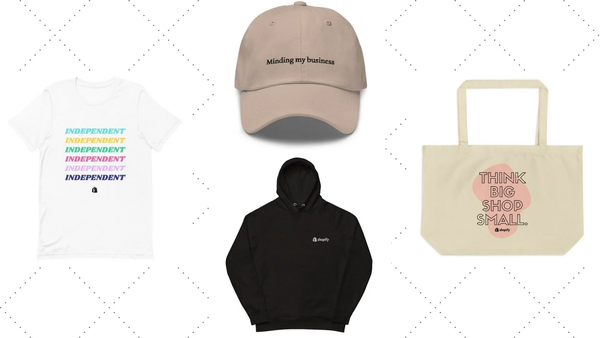
Based on feedback, Shopify developed prototype designs for hoodies, dad hats, and tote bags decorated with popular phrases and icons as suggested by the audience.
2. Choose a print-on-demand partner and products
After refining your product ideas based on audience feedback, the next step is to select a print-on-demand partner who will produce and ship your merchandise.
It's a great option because the service is free to use, you only pay for a product when a customer places an order. So there are minimal upfront costs.
Popular merch maker apps that integrate with Shopify include:
Given fans often expect high-quality merch that matches retail offerings, the quality of your merchandise can significantly impact your brand’s perception. Opt for print-on-demand services that partner with well-regarded manufacturers to meet customer expectations.
Remember, fans are often willing to pay a premium for merchandise they perceive as high quality and durable.
3. Design and mock up your products
Some brands and creators outsource merch design, but Zack recommends trying to do as much as possible yourself.
“You’re probably better off sourcing your own designs, because you’ll understand your brand far better than someone who is just learning about your brand for the first time,” he says.
If you decide to hire a designer, platforms like Upwork or Fiverr offer a pool of talented freelancers. Consider including these key elements in your design brief:
- Provide context: Inform the designer about the types of merchandise you are planning, who your audience is, and any brand guidelines.
- Explain expectations: Over-communicate your vision and requirements. Make sure to offer detailed feedback during the design review stages—you should aim for at least one or two rounds of revisions.
- Mood board: Compile inspiration, examples, and references to give the designer a clear starting point.
Using tools like Canva can help beginners start the graphic design journey without needing expensive software. You can use its pre-made templates to get a feel for layouts.
Most print-on-demand platforms feature mockup generators, which speeds up the design process and lets you experiment with design placements. Remember to stick to the specifications provided by your print-on-demand service and the production method you choose.
4. Add products to your sales channels
Listing print-on-demand products for sale is straightforward, as most services integrate with ecommerce platforms. This allows you to sell merch while offering a convenient shopping experience for your fans.
To expand your reach and increase the visibility of your merchandise, consider linking your merch store to online marketplaces like Amazon and eBay, which are used by millions of shoppers every day.
Additionally, with platforms like Shopify, you can connect your store to social media storefronts on Instagram and Facebook, as well as TikTok and YouTube. Social storefronts offer a unique advantage by allowing fans to browse and purchase directly within the social media platforms they already use.
Finding a merch manufacturer
If print-on-demand services don’t fit your needs, partnering with a manufacturer is a good alternative.
Most merch isn’t manufactured from scratch but through a process known as private labeling.
Private label
Private label products are items manufactured by a company and then branded and sold under a retailer’s brand. Sellers often work closely with private label manufacturers to develop unique products tailored to their vision.
Private label merch provides greater flexibility and a wider range of customization options, although it can cost more to produce and require minimum orders. If you need funding, Shopify Capital offers financial solutions.
Local printers
Consider having local screen printing shops create your merch. They can often offer personalized options and might provide more competitive pricing compared to large print-on-demand services.
Online services
Agencies like Fan of a Fan specialize in merchandising for creators and brands, offering services from design consultation to sourcing manufacturing and managing order fulfillment. It’s wise to compare different options before settling on a service provider.
When choosing a studio or agency to make your merch, consider these factors:
- Ownership of intellectual property. You’ll want to make sure you retain your brand’s intellectual property. This includes the designs on the clothing and anything new that’s created as a part of a partnership.
- Compensation structure. Revenue share models are common when working with merchandising companies and can be 15% to 50% of your revenue.
- Commitment. Use a trial period to see if this partner meets deadlines, produces quality products, responds to emails in a timely manner, and is all-around reliable.
- Hidden costs. From the beginning to end of a product launch, go through costs that may come up, such as warehousing, picking and packing fees, shipping fees, design fees, website management, and customer service fees.
How to sell merch
Marketing merchandise is different from selling a typical product. You’re targeting existing fans who already have a connection and a positive attitude toward your brand. The challenge is not just to effectively reach and cater to these fans, but also to expand your reach to broader audiences.
Here are some strategic approaches to market and sell your merchandise:
Word of mouth
Good quality merch naturally promotes itself. When fans purchase and wear or use your merchandise, they automatically engage in word-of-mouth marketing, which can amplify your brand’s visibility.
However, the quality of the merchandise is crucial.
“Selling custom merchandise is like buying advertising space on your fans who are walking around and promoting your brand,” Zack says. “If you create something low quality, then they’re only going to wear it once or twice.”
To maximize exposure, sell merch that fans are proud to show off and use repeatedly.
Content marketing
The content you create is another natural place to promote your merch. This could be as simple as wearing your merch in videos, featuring it in social media posts, or incorporating it into the creative concept of your productions.
Consider these content channels for promoting your merchandise:
- TikTok: Partner with other TikTok creators to get them to create content with your merch.
- Instagram: Tag your merch in your posts and stories and curate your own Instagram Shop on your profile.
- YouTube: Share links to your products in your video description or cards, with a call-to-action at the end of your video itself.
- Buy button: If you have a separate website or blog outside of your merch store, you can embed your products or collections there as well using a Buy button.
Wear your merch in your videos or feature it in social media posts. You can also partner with an influencer to get them to create content with your merch, reaching an even wider audience.
For Seek Discomfort, content marketing meant hosting a fashion show in the founders’ backyard.
Retargeting
Retargeting is a strategic form of advertising where you direct ads to people who already engage with your brand, whether they follow you on social media or have previously purchased from you.
Various advertising platforms, including Google, Facebook, YouTube, TikTok, and Snapchat, support retargeting campaigns, providing they are set up with the necessary advertising pixel on your website.
An email list can also be an effective way to retarget content, enabling personalized promotions directly to fans’ and past customers’ inboxes.
“That’s where you’re going to have really high engagement and return on investment,” says Zack. “Whereas with prospecting, most of the time people aren’t going to buy merchandise from someone they’ve never heard of before. So that’s where the bulk of your energy from paid media spend should go.”
Pre-sell merch
Launching a presale campaign is an effective strategy to build anticipation and demand for new online merchandise. Presales allow your audience to order and pay for products ahead of official release, ensuring they’re among the first to secure the latest swag.
Presales offer the chance to measure interest and demand before you fully commit to production. They also allow you to cultivate a sense of urgency and scarcity, prompting fans to secure their purchase early.
“Yes Theory has done this a lot, especially earlier on when they first started,” Zack says. “We would create a couple items of clothing that were our samples. We would do photo shoots in them and hold no inventory. Then we would put the site up for 72 hours, sell for 72 hours, and shut the site down. From there we would start communicating through email with our audience, so that they knew where we were in the production process.”
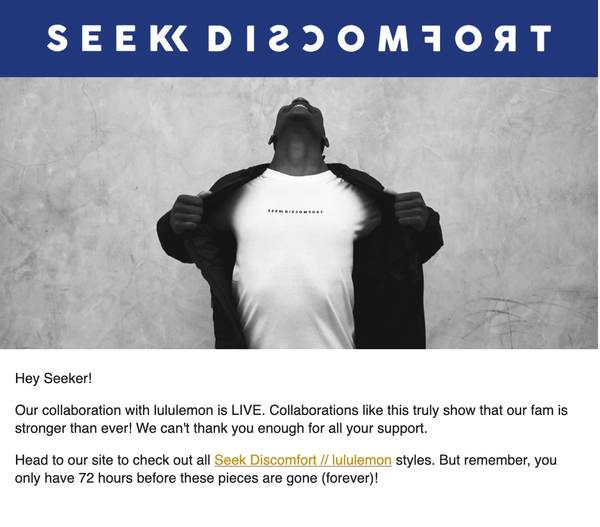
There are a variety of preorder apps in the Shopify App Store to help you run your own presale. You could also run your presale using a crowdfunding site like Kickstarter.
Start selling custom merch today
Merchandise isn’t just a product, it’s a bridge connecting your fans to your brand, allowing them to express their enthusiasm and feel part of a community.
Selling merchandise offers a unique business opportunity to channel your creativity, extending beyond the initial content or products that attracted your audience.
Shopify is one of the fastest and easiest ways to start selling merch to your fans. Turn your followers into customers by setting up shop on social today.
Read more
- How To Source Products To Sell Online
- 11 White Label Products to Sell Online
- How to Start a Dropshipping Business- A Complete Playbook for 2024
- How to Start an Online Boutique- A Complete Playbook
- AliExpress Dropshipping- How to Dropship From AliExpress
- The Ultimate Guide To Dropshipping (2024)
- Creators in Control- How YouTubers Can Make Money With Merch
- The 13 Best Dropshipping Suppliers in 2024
- 5 Steps for Converting Real-Time Audience Insights Into High-Demand Merchandise
- What Is Passive Income? Ultimate Guide With Examples
How to make merch FAQ
Does selling merch make money?
Selling merchandise can be financially rewarding. Many businesses generate substantial revenue by selling custom products like t-shirts, hats, mugs, and more. For some, merchandising serves as a supplementary income stream, while for others, it develops into a major revenue source.
Does it cost money to make merch?
Creating merchandise involves costs. Costs can range from design and production expenses to marketing and distribution costs. Choosing a budget-friendly production method, like print-on-demand, can help minimize upfront expenses.
How do content creators make merch?
Content creators often rely on print-on-demand services to produce branded merchandise. This approach allows them to use their own branding without the risks and costs associated with inventory. Alternatively, some content creators develop custom product lines through collaborations with established brands or by working with private label manufacturers. They might also curate products or sell subscription boxes tailored to their audience’s interests.
What do I need to sell merchandise online?
Selling custom merchandise online is more accessible than ever. Follow these steps to get started:
- Define your brand identity.
- Validate product ideas with your audience.
- Mock up your product designs.
- Choose a print-on-demand partner or manufacturer.
- Add products to your online store.
- Market your merch to your fan base.
Is it legal to sell merchandise?
It is legal to sell merch. However, you may need to obtain permits or licenses depending on the state or locality in which you are operating.


